
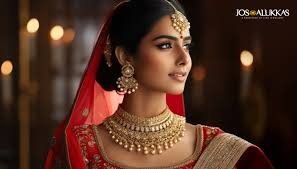
Understand how styles have evolved—and how to embrace both in your personal look.
Introduction
Jewellery has always been more than just adornment — it is a reflection of culture, artistry, and personal style. When it comes to modern vs traditional jewellery, each carries its own charm and legacy. Modern jewellery embraces innovation, minimalism, and contemporary aesthetics, while traditional jewellery draws from centuries of craftsmanship, cultural symbolism, and intricate detailing. This guide will walk you through the unique features, pros, and cultural significance of both styles.
1. Defining Modern Jewellery
Modern jewellery focuses on sleek lines, minimal designs, and innovative use of materials. Think geometric shapes, unconventional gemstone cuts, and even the integration of technology. It appeals to those who prefer a sophisticated, understated look.
Example: Tiffany & Co. often showcases modern designs that highlight simplicity while maintaining luxury appeal.
2. Defining Traditional Jewellery
Traditional jewellery is rooted in history and heritage, often passed down as heirlooms. It incorporates intricate patterns, rich gemstones, and motifs inspired by culture and nature. Every piece tells a story, whether it’s a bridal necklace from India or a Victorian-era brooch from England.
Example: Cartier Heritage Collection displays timeless pieces that preserve the artistry of classic jewellery-making.
3. Key Differences
| Aspect | Modern Jewellery | Traditional Jewellery |
|---|---|---|
| Design | Minimal, geometric, innovative | Intricate, ornate, symbolic |
| Materials | Titanium, recycled metals, lab-grown diamonds | Gold, silver, natural gemstones |
| Occasion | Everyday wear, office, casual | Weddings, festivals, cultural events |
| Production | Mass-produced or limited editions | Handcrafted by artisans |
4. Cultural Significance
Traditional jewellery often carries deep cultural meaning, serving as a symbol of heritage and social status. In contrast, modern jewellery reflects global fashion trends and individuality rather than collective traditions.
For example, in India, a gold mangalsutra represents marital commitment, while in modern Western culture, minimalist engagement rings represent a personal aesthetic choice.
5. How to Choose Between Them
- Occasion: Weddings and cultural events often call for traditional pieces.
- Lifestyle: If you prefer low-maintenance and versatile designs, modern styles may suit you best.
- Sentimental Value: Traditional pieces often have emotional and historical importance.
6. Blending the Two Styles
The latest fashion trend combines modern minimalism with traditional elements. For instance, a sleek gold chain can be paired with a traditional pendant, creating a fusion look.
Check inspiration at Van Cleef & Arpels.
Final Thoughts
The debate of modern vs traditional jewellery is less about choosing one over the other and more about appreciating both for what they offer. Modern designs give you flexibility and a fresh aesthetic, while traditional pieces connect you to heritage and timeless beauty. The best jewellery collection often includes both — allowing you to express your style for any occasion while cherishing history and embracing the future of design.
Traditional jewellery is rooted in heritage—often ornate, symbolic, and crafted using age-old techniques. Modern jewellery, on the other hand, embraces minimalism, geometric designs, and light materials. Both have their own appeal. Mix a Kundan choker with a simple gold chain for a beautiful fusion.
for more check our Blog
